

The short answer
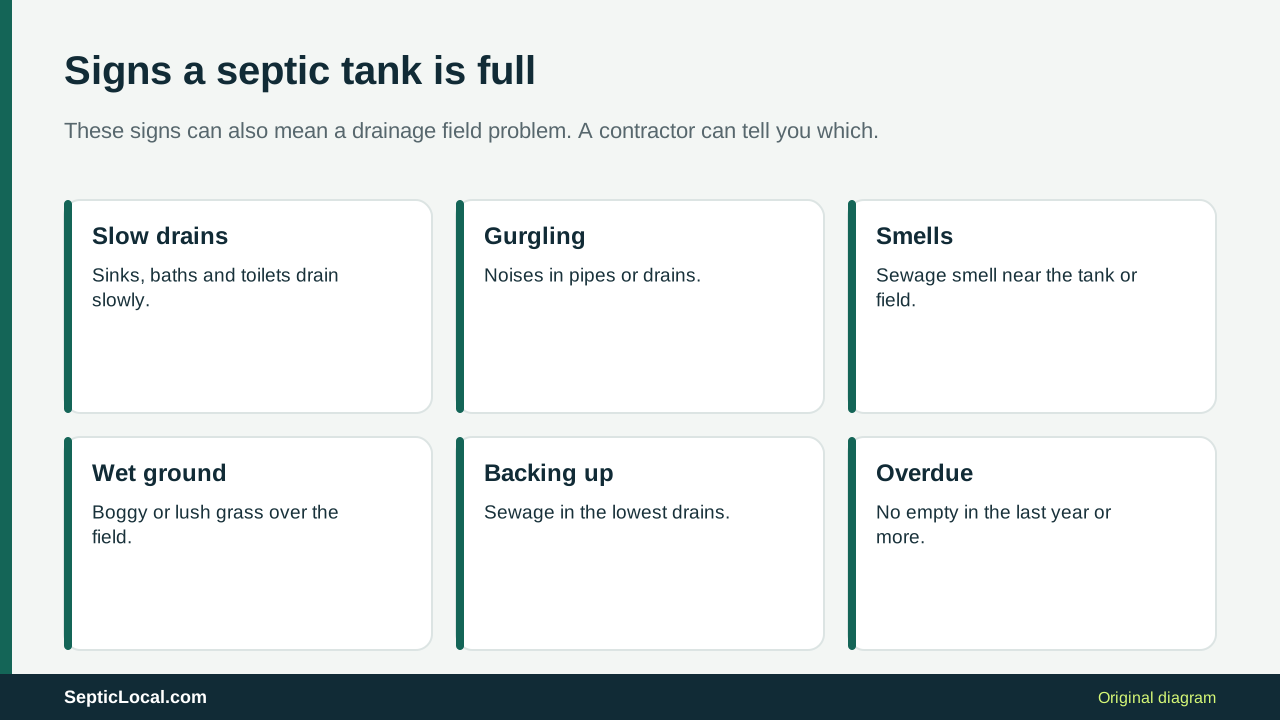
The most common signs are slow drains around the house, gurgling pipes, sewage smells, and wet or boggy ground near the tank or drainage field. If you see these and the tank has not been emptied in the last year, book an empty. If the signs come back soon after emptying, the problem is more likely to be in the drainage field, soakaway or pipework, and you need someone to assess it.
Common signs a septic tank needs emptying
- Slow drains everywhere. One slow sink is often a local blockage. Baths, showers, sinks and toilets all draining slowly points further down the system.
- Gurgling. Bubbling or gurgling from drains or toilets after you run water.
- Smells. A sewage smell around the tank, the drainage area or inside the house.
- Wet ground or pools of water. Puddles, boggy patches or standing water over the drainage field or near the outlet. GOV.UK lists pools of water around the drainage point as a sign the system is not working properly.
- Unusually green grass. A strip of lusher grass over the drainage area can mean effluent is coming up near the surface.
- Sewage backing up. Waste coming back up in the lowest toilet, shower or drain in the house.
- An alarm. Many sewage treatment plants and cesspits have a high-level alarm. If it sounds, follow the manufacturer's instructions and call a contractor.
- It has been a long time. If you cannot remember the last empty, it is probably due.
Full tank or drainage problem?
The same symptoms can have different causes, and the answer decides who you need.
- A full tank. Sludge has built up and needs removing. An empty by a tanker usually sorts it. See septic tank emptying.
- A drainage field or soakaway problem. The tank may be fine but the ground can no longer take the liquid. Symptoms often return within days or weeks of an empty. You need an assessment. See drainage fields and surveys.
- A blockage or broken pipe. Pipework between the house and the tank, or between the tank and the drainage area, can block or collapse. See repairs.
- Weather. Heavy rain or a high water table can make a struggling drainage area show symptoms. If they persist once the ground dries, get it checked.
Tell the contractor if the symptoms started after very wet weather, after building work, or after something heavy was driven over the drainage area.
How often should a septic tank be emptied?
In England, GOV.UK guidance says you must have the sludge removed from a septic tank or sewage treatment plant, and you should do this at least once a year or in line with the manufacturer's instructions. The company that takes the sludge away must be a registered waste carrier.
In Wales, Natural Resources Wales guidance says desludging must only be done by an authorised person and the contractor should be a registered waste carrier. It also says most package treatment plants need professional servicing every 12 months.
Scotland and Northern Ireland have their own regulators, SEPA and NIEA. Check their guidance for the rules that apply to your property.
A cesspit, also called a cesspool, is different. It is a sealed holding tank with no outlet, so it fills up and needs emptying far more often than a septic tank. If you are not sure which system you have, read septic tank, cesspit or treatment plant: where to start.
What to do now
- Cut water use. Spread out washing and dishwasher loads and take shorter showers until the system has been checked.
- Keep people and pets away from any overflow, wet sewage or damaged cover.
- Do not lift covers or go into the tank. Tanks can contain dangerous gases. The Health and Safety Executive warns about the risks of confined spaces like these.
- Note what you have seen, when it started and when the tank was last emptied.
- Call an emptying contractor and describe the symptoms. Our checklist on what to tell a contractor before you book helps.
- Keep the paperwork. Ask for the waste transfer note or receipt and keep it with your other records.
Products sold to treat tanks will not empty a full one. A tank that is full needs the sludge removed.
Smell but no other signs? See sewage smells in the house or garden. Suspect a leak? See leaking septic tanks.
Questions to ask the contractor
- Are you a registered waste carrier?
- Will you look at the outlet and drainage area while you are here, or is that a separate visit?
- If the tank is not full, what do you think is causing the symptoms?
- What does the visit include, and are disposal, access and VAT in the price?
Comparing more than one quote? See how to compare tank emptying and service quotes.
Common mistakes
- Waiting for sewage to back up before booking an empty.
- Emptying the tank again and again when the real problem is the drainage field.
- Parking or driving over the drainage area.
- Using a contractor who cannot show they are a registered waste carrier.
- Not keeping records, which you will need when you sell the property.
Sources and further reading
- GOV.UK: general binding rules, small sewage discharge to the ground (England)
- Natural Resources Wales: guidance for registering small sewage discharges (PDF)
- SEPA: septic tanks and private sewage treatment systems (Scotland)
- DAERA: septic tank discharge consents (Northern Ireland)
- HSE: confined spaces
Sources checked 9 October 2026. Rules and guidance can change, so check the source before acting.
Your next step
Find emptying services · Drainage field help · Find a contractor