

The short answer
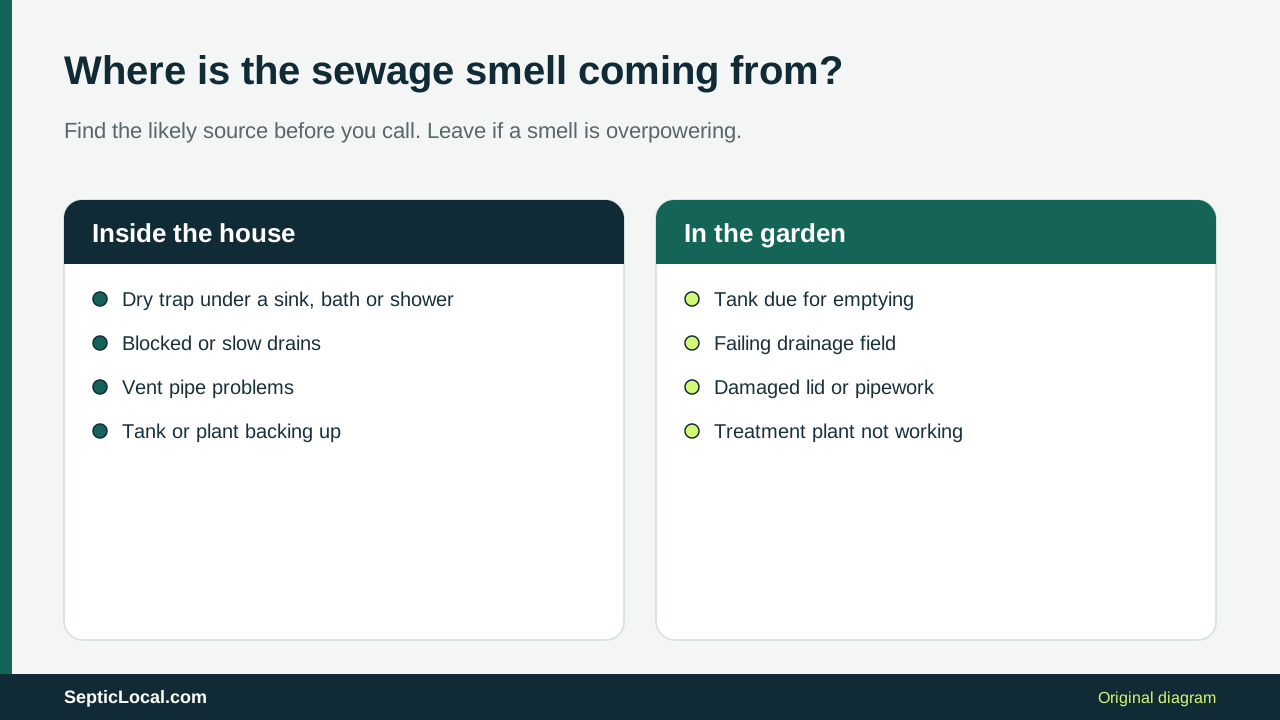
Find where the smell is strongest. A smell from one sink or shower is often a drain or trap problem inside the house. A smell outside near the tank or drainage area, or from every drain at once, points to the septic tank, treatment plant or drainage field. Who you call depends on whether your home is on the mains sewer or has its own system.
First: mains sewer or private system?
If your home has a septic tank, cesspit or sewage treatment plant, the system and its drains are yours to look after. If you are on the mains sewer, responsibility is split. Buckinghamshire Council explains that householders are responsible for the drain serving their own property, while the water company is responsible for lateral drains, private sewers and public sewers. If a sewer problem is outside your property boundary, contact your water company.
Not sure which you have? Check your water bills and property paperwork, or read septic tank, cesspit or treatment plant: where to start.
Smell inside the house
- One sink, bath or shower. Drains have a water-filled bend, called a trap, that blocks smells. If a basin or shower is rarely used, the water can dry out. Run the tap for a minute and see if the smell goes.
- A bathroom or kitchen that always smells. A slow or blocked drain, a loose pipe joint or a damaged seal can let smells in. A plumber or drainage engineer can find it.
- Every drain, with gurgling or slow draining. The problem is further down the system. On a private system, the tank may be full or the outlet blocked. See signs your septic tank is full.
Do not mix drain cleaners or pour strong chemicals down drains to cover the smell. They can be dangerous to mix and do not fix the cause.
Smell in the garden or outside
- Near the tank lid. A cracked, loose or badly fitting cover can let smells out. Keep people and pets away and get it made safe.
- Over the drainage field or soakaway. Smells with wet ground or unusually green grass can mean liquid is not soaking away. See drainage fields.
- Around a treatment plant. Manufacturer Tricel describes a case where a blower fault let solids flow into the later chambers and caused smells around the system. It also advises checking that vents are not blocked. See treatment plant air pump problems.
- Only after heavy rain. Waterlogged ground can make a struggling drainage area show itself. If the smell keeps coming back, have the system surveyed.
Before acting, rule out other sources. Tricel suggests checking for nearby causes such as a storm drain or badly fitted vents.
When the smell is a safety issue
If the smell is very strong, or anyone feels unwell, open windows, move away and get professional help. Never go into a tank, chamber or manhole to investigate. The Health and Safety Executive warns that confined spaces can contain dangerous gases.
Quick guide: where is it coming from?
| Where | Most likely | Who to call |
|---|---|---|
| One rarely used sink or shower | Dry trap | Run water first; plumber if it persists |
| One room, all the time | Drain, joint or seal fault | Plumber or drainage engineer |
| All drains, with gurgling | Full tank or blocked outlet (private system); sewer problem (mains) | Tank contractor, or your water company |
| Garden, near tank or drainage area | Cover, full tank or failing drainage field | Tank contractor |
| Around a treatment plant | Air pump or plant fault | Plant service engineer |
What to tell the contractor
- Where the smell is strongest and when it started
- Whether it comes and goes, for example after rain or heavy water use
- Any slow drains, gurgling, wet ground or alarms
- When the tank was last emptied or the plant last serviced
Our checklist on what to tell a contractor before you book covers the rest. If the smell is coming from a neighbour's system, see leaking septic tanks, including a neighbour's.
Common questions
Why does my house smell of sewage when it rains?
Heavy rain can waterlog the ground over a drainage field or soakaway, so liquid backs up and smells reach the house or garden. If it happens after every heavy rain, the drainage area may be struggling and worth surveying. On mains drains, a rain-related smell can also come from an overloaded sewer, which is a matter for your water company.
Why does my septic tank smell after it has been emptied?
A smell while the covers are open and the tanker is working is expected. If a strong smell continues for days afterwards, ask the contractor to check that covers are seated properly and vents are clear.
Is a sewage smell dangerous?
A faint, passing smell usually is not. A strong or persistent smell needs finding and fixing, and you should never enter a tank or chamber: the HSE warns that confined spaces can contain dangerous gases. If anyone feels unwell, get fresh air and medical advice.
Who pays to fix a smelly drain on mains sewerage?
It depends where the fault is. Buckinghamshire Council explains that the drain serving your own property is your responsibility, while lateral drains and public sewers are the water company's.
Sources and further reading
- Buckinghamshire Council: who is responsible for a drain or sewer
- Tricel: sewage treatment plant troubleshooting
- HSE: confined spaces
- GOV.UK: general binding rules, discharge to the ground (England)
Sources checked 12 October 2026. Rules and guidance can change, so check the source before acting.
Your next step
Septic tank repairs · Septic tank emptying · Find a contractor