

The short answer
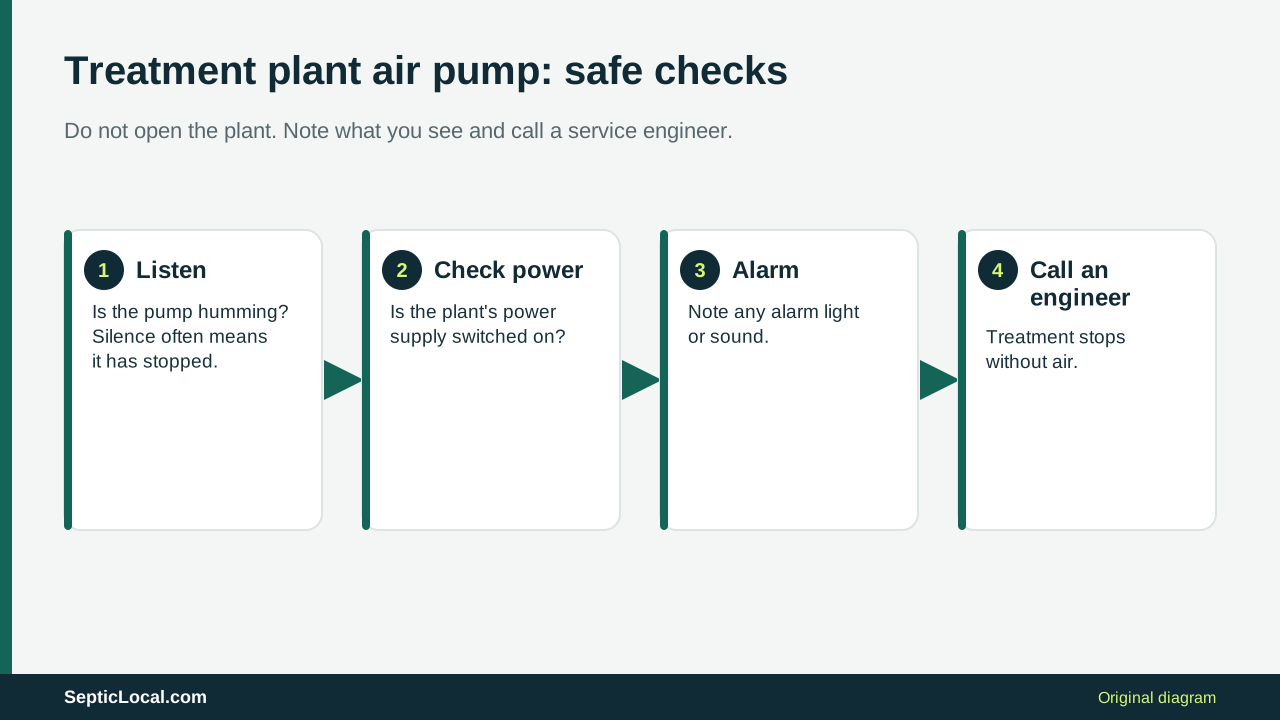
The air pump, also called a blower or compressor, feeds air to the bacteria that treat the sewage. If it stops, the plant cannot treat waste properly and you may get alarms, smells or a rising water level. Listen for its hum, check the vents are clear and call a service engineer. Leave electrical work to a qualified person, as manufacturer Tricel advises.
What the air pump does
A sewage treatment plant, sometimes called a package plant, treats waste more fully than a septic tank. In the aeration chamber, bacteria break down the waste, and they need a constant supply of air. Tricel describes this as a continuous air supply from a low-pressure, high-volume compressor that sustains the bacteria. Without air, treatment slows or stops.
Signs the air pump has failed
- You cannot hear the usual hum when standing by the plant
- The alarm buzzer or light is on
- Sewage smells around the plant
- The water level in the tank is higher than normal
- The blower runs on and off, or runs but no air seems to come through
Tricel lists blowers that will not start, run intermittently or deliver no air as common faults. It also describes a case where the tank filled up because the blower was not working, and another where solids flowed into the later chambers and caused smells.
Safe checks you can make
- Listen for the hum near the plant or blower housing.
- Check the alarm and note what it shows. On some plants you can mute the buzzer until the fault is fixed.
- Check the vents are not blocked by grass, leaves or stored items. Tricel describes a blower that burned out because overgrown grass blocked the airflow, and advises keeping grass around the plant trimmed.
- Check the power only if you can do so without opening covers or touching wiring. Do not open the blower housing or control panel yourself.
- Cut water use until the plant is working again.
Why it needs fixing quickly
A plant that is not treating waste properly can release poorly treated sewage to the drainage field or watercourse. In England, GOV.UK guidance says you must have the system repaired or replaced if it is not in good working order, and maintained in line with the manufacturer's instructions by someone competent.
Repair, replace and servicing
A service engineer can test the blower, check its diaphragms or other wearing parts, and repair or replace it. Ask whether the replacement matches the manufacturer's specification for your plant. Regular servicing catches wear before it fails: Natural Resources Wales says most package plants need professional servicing every 12 months, with a detailed check every 6 months.
What to tell the engineer
- The make and model of the plant, from the lid or the manual
- The make and model of the blower, if you can read its label without opening anything
- What the alarm shows, and when the problem started
- When the plant was last serviced and emptied
Our guide on sewage smells covers other causes of smells around a plant.
Common questions
Can I turn the air pump off to save electricity?
No. The bacteria in the plant need a continuous supply of air, which is how Tricel describes the job of the compressor. Switching it off stops treatment and can lead to smells and poorly treated discharge.
Is the alarm going off an emergency?
Treat it as urgent. Cut water use, check the safe items above and call a service engineer. Do not ignore an alarm or keep muting it without arranging a repair.
Can I replace the blower myself?
Leave it to a qualified engineer. Tricel advises that all electrical work should be carried out by a qualified person, and the replacement needs to match your plant's specification.
How long does a treatment plant air pump last?
It depends on the make, how long it runs and how well it is maintained. Regular servicing lets an engineer replace wearing parts before the blower fails. Ask your engineer what they expect for your model.
Sources and further reading
- Tricel: sewage treatment plant troubleshooting
- GOV.UK: general binding rules, discharge to the ground (England)
- Natural Resources Wales guidance (PDF)
Sources checked 12 October 2026. Rules and guidance can change, so check the source before acting.