

The short answer
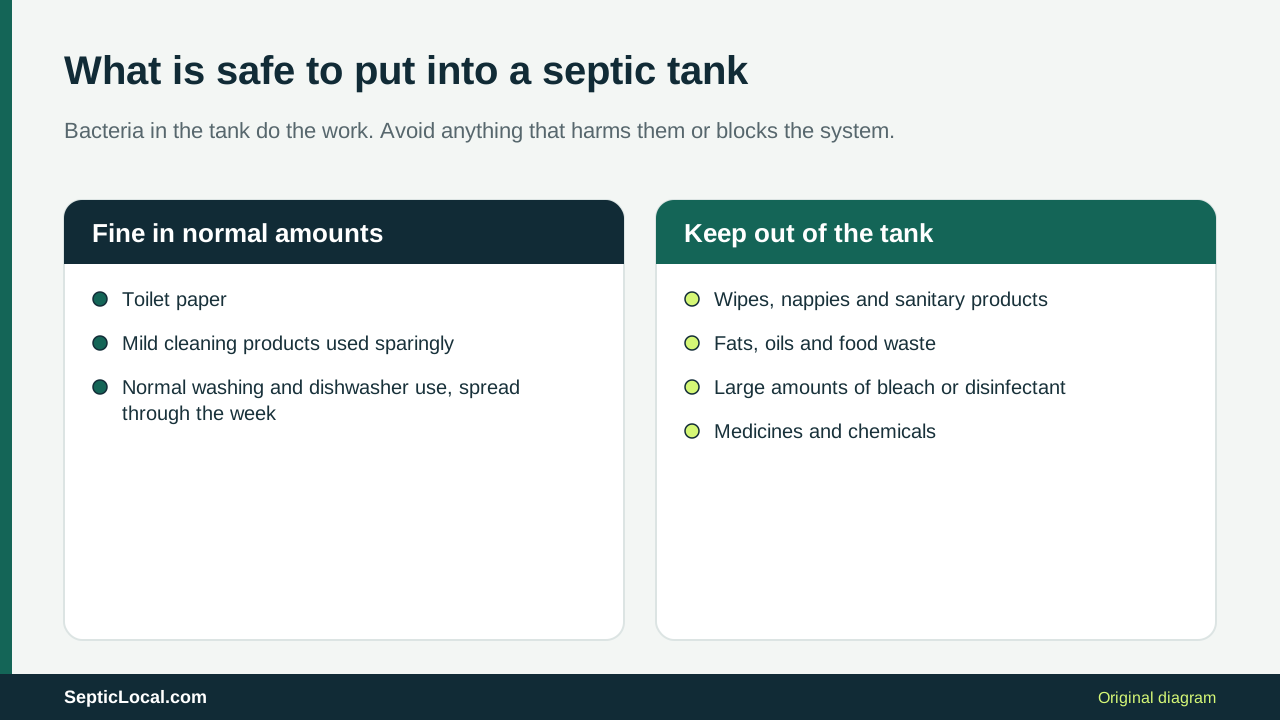
Flush only body waste and toilet paper. Use cleaning products sparingly and choose ones labelled suitable for septic tanks or low phosphate where you can. Never put fats, cooking oil, paint, solvents or other chemicals down any drain. These points come from Environment Agency guidance for septic tank owners.
Why it matters
A septic tank works by letting solids settle and liquid flow out to a drainage field. Industry firm CSG notes that a healthy system already has the micro-organisms it needs. What goes down the drain affects how fast sludge builds up, whether pipes block and how well the drainage field copes. A tank that fills faster needs emptying more often, and a blocked drainage field can mean an expensive repair.
Toilets: only two things
Only body waste and toilet paper should be flushed. Everything else, including wet wipes (even those labelled flushable), nappies, sanitary products, cotton buds, dental floss and kitchen roll, goes in the bin. These items do not break down in the tank and can block the inlet, outlet or drainage pipes.
Cleaning products, bleach and toilet cleaner
The Environment Agency guidance says to use cleaning products sparingly and to choose products labelled suitable for septic tanks, environmentally friendly or low phosphate where possible. It does not ban everyday cleaners. The practical rule is: normal household amounts, not large doses, and never tip leftover chemicals down a drain.
Your tank or treatment plant manual may give its own list, so check it. Treatment plant manufacturers often give specific advice for their models.
Dishwasher and washing machine tablets
There is no official list of approved brands in the UK. Check the packaging or the manufacturer's website for a statement about septic tanks, and use the recommended dose rather than more. The bigger issue is volume: spread dishwasher and washing machine loads through the week rather than running several in one go, so the tank is not flooded with water at once.
In the kitchen
- Pour fat, grease and cooking oil into a container and put it in the bin, never down the sink.
- Use a sink strainer to catch food scraps, which add to the sludge. The Environment Agency guidance recommends both.
- Food waste disposal units send food solids into the tank, which adds to the sludge and can mean more frequent emptying. Check with your tank or plant manufacturer before fitting one.
Quick reference
| Item | Down the drain? | Better option |
|---|---|---|
| Toilet paper | Yes | Toilet |
| Wet wipes, nappies, sanitary products | No | Bin |
| Fat, grease, cooking oil | No | Container, then bin |
| Food scraps | No | Sink strainer, then bin or food caddy |
| Everyday cleaners and toilet cleaner | Yes, sparingly | Septic-safe or low phosphate products |
| Paint, solvents, other chemicals | No | Household waste recycling centre |
| Dishwasher and laundry detergent | Yes, recommended dose | Spread loads through the week |
Water use matters too
Large amounts of water in a short time can push solids through the tank before they settle. The Environment Agency guidance advises using less water overall and spreading out laundry and dishwashing. Fix dripping taps and running toilets quickly.
Even with careful use, the tank still needs regular emptying. In England, GOV.UK says at least once a year or in line with the manufacturer's instructions. See septic tank emptying.
Common questions
Is bleach safe for a septic tank?
Normal household use, sparingly, is the usual advice. The Environment Agency guidance says to use cleaning products sparingly and choose septic-friendly or low phosphate products where possible. Do not pour large amounts down the drain at once.
Are Fairy or Finish dishwasher tablets safe for septic tanks?
We cannot confirm specific brands, and there is no official UK approval scheme. Check the packaging or the manufacturer's website for a septic tank statement, use the recommended dose and spread loads through the week.
Can I use antibacterial products?
Use them sparingly, like other cleaners. Your tank relies on the bacteria already in it, so avoid heavy, repeated doses, and check your plant manual if you have a treatment plant.
Can I put food waste down the sink?
Keep it out where you can. Use a sink strainer and put scraps in the bin or food caddy. If you are thinking about a food waste disposal unit, check with your tank or plant manufacturer first, as it adds solids and can mean more frequent emptying.
Sources and further reading
- Environment Agency septic tank guidance (PDF, hosted by Blagdon Estate)
- CSG: does adding substances to your sewage system work?
- GOV.UK: general binding rules, discharge to the ground (England)
Sources checked 12 October 2026. Rules and guidance can change, so check the source before acting.
Your next step
Septic tank emptying · Signs your tank is full · Find a contractor